1StopBedrooms On the Top Interior Design Trends for 2026
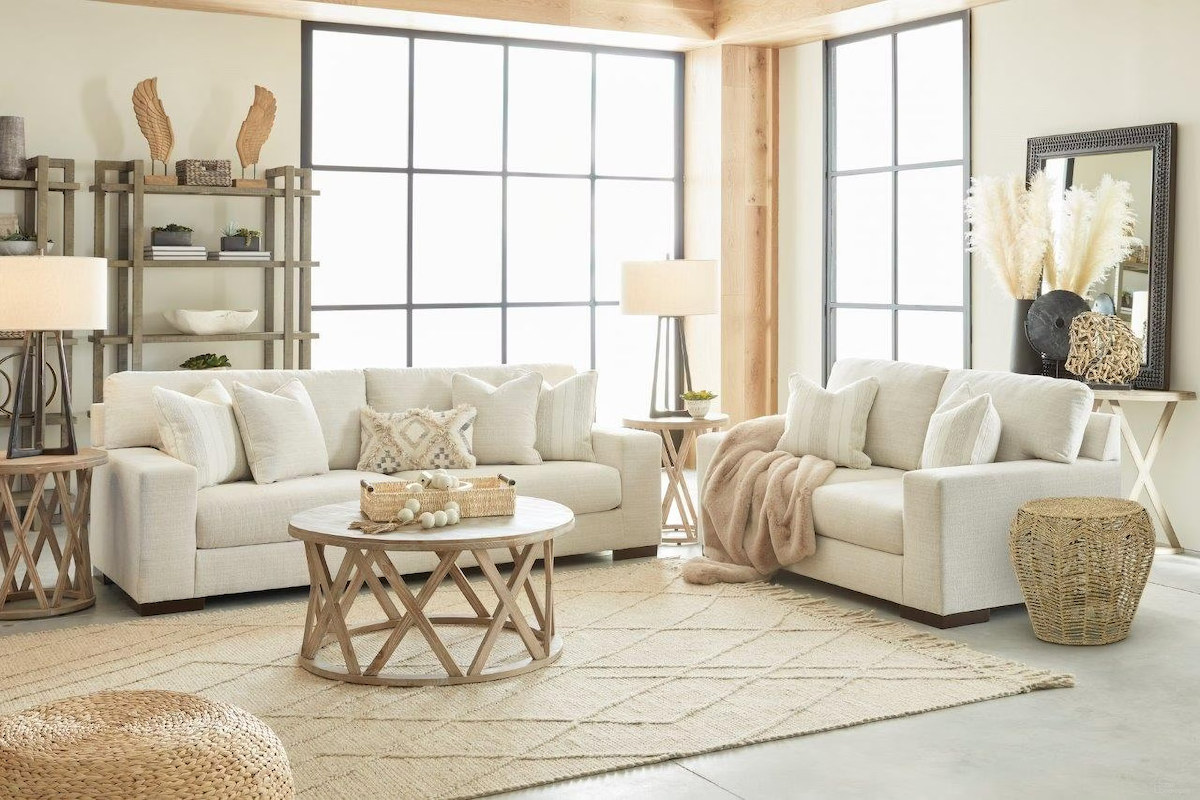
Homes in 2026 are moving away from rooms that feel overly polished, overly matched, and built around a single look. Designers are leaning toward spaces with more warmth, more texture, and more visible personality. Other 2026 trend coverage is landing in the same place, calling out warmer, nature-led tones, richer materials, rounded forms, and interiors that feel more grounded and comfortable.
This year’s direction is less about chasing a showroom look and more about building rooms that feel collected over time. That shows up in deeper color, darker woods, softer silhouettes, vintage influence, and furniture that adds character instead of fading into the background. In this guide, we look at the colors, materials, furniture styles, and room ideas shaping 2026.
The Big Shift Shaping 2026 Interiors
The clearest change is the move away from rooms that feel flat, overly coordinated, or built around one strict design rule. Designers are pointing instead to maximalism, eclecticism, warm minimalism, vintage sourcing, craftsmanship, and richer color as the ideas shaping the year. Put together, those signals point to the same broader shift: people want homes with more depth, more comfort, and more personality.
Homes Are Looking More Layered and Lived In
Cold minimalism is losing ground. Martha Stewart’s 2026 trend coverage describes warm minimalism as a calmer, more personal update built around clean lines, comfort, and lived-in detail. That does not mean every room needs pattern everywhere or shelves full of decor. It means homes are starting to look more layered, with rugs, texture, vintage objects, warmer finishes, and furniture that feels chosen for real daily use instead of visual perfection alone.
Character Matters More Than Matching
Matching full-room sets no longer define what feels current. Designers are leaning toward spaces that feel collected over time, mixing newer furniture with vintage pieces, handmade accents, and finishes that add contrast instead of sameness. Good Housekeeping’s April 2026 coverage of maximalism framed the look as thoughtful abundance rather than excess. The goal is to combine pieces with enough contrast, texture, and history that the space feels personal.
Color Trends For 2026
The color direction in 2026 is moving toward warmth, depth, and a stronger sense of mood. Clean pale neutrals have not disappeared, but they are no longer setting the tone on their own. The shades showing up most often are richer browns, grounded greens, burgundy reds, and other colors that make a room feel settled and personal instead of light, blank, and overly polished.
Warm Browns Take The Lead
Brown is one of the clearest signals of where interiors are going. Chocolate brown remains a major reference point, but the broader family matters too: mocha, clay, tobacco, deeper amber, and other warm earthy browns are all part of the same shift. These tones work because they add weight without making a room feel old-fashioned. On walls, upholstery, wood finishes, or accent pieces, they bring in warmth that cooler grays and bright whites often lack.
Brown also gives furniture more presence. A sofa, bed, accent chair, or dining set in a richer brown finish tends to feel more grounded than the lighter neutrals that dominated for years. It also pairs well with cream, soft beige, olive, muted blue, and brushed metal finishes, which makes it easier to use than many people expect.
Earthy Color Palettes Keep Expanding
The broader palette around brown is getting deeper too. Greens are staying strong, especially warmer greens and darker shades with more depth. Burgundy, muted red, plum, ochre, and other earth-based tones are also showing up more often, giving rooms a fuller and more layered look. The common thread is that these colors feel rooted. They add mood, but they still feel livable.
This is useful for people who want color without turning a room into a statement piece. A deeper green chair, burgundy accent wall, or clay-toned rug can shift the feel of a room without forcing a full redesign.
Soft Color Still Has A Place
Softer shades are still part of the picture, but they are showing up in a different way. Instead of icy pastels or pale colors that flatten a room, the softer side of 2026 leans warmer and more muted. Think creamy neutrals, soft ochre, dusty blue-green, gentle pink undertones, and light shades that still feel connected to natural materials and warmer wood.
The 2026 version of a softer palette still feels calm, but it has more substance. It works best when paired with texture, wood tone, and furniture that adds shape, so the room does not drift back into the flat look that many homeowners are moving away from now.
Style Trends For 2026
The style direction in 2026 is less rigid than it was a few years ago. Rooms are moving away from one-note minimalism and fully coordinated sets, and toward spaces that feel layered, personal, and easier to live in. The main looks shaping the year all point in the same direction: more warmth, more contrast, and more signs that a home reflects the people in it.
Maximalism Gets More Refined
Maximalism is still growing, but the 2026 version looks more controlled than chaotic. The focus is not on filling every surface or mixing patterns without restraint. It is about depth, texture, mood, and pieces that add real character. Rich color, art, vintage accents, layered textiles, and statement furniture all fit the look, but they work best when the room still feels intentional.
That makes this trend more practical than it may sound. A room can feel current without becoming busy. One sculptural coffee table, a deeper wall color, a vintage lamp, or a patterned accent chair can move a space in this direction. The point is to build visual interest with pieces that feel chosen, not random.
Eclectic And Collected Beats Overly Coordinated
One of the clearest shifts in 2026 is the move away from buying everything in one style, one finish, or one matching set. Eclectic interiors are gaining ground because they feel more natural and more personal. Mixing wood tones, combining newer furniture with older accents, and letting a room develop over time now feels more current than making every piece look like it came from the same floor display.
This is also where homes start to feel more believable. A collected room usually has some contrast in shape, finish, era, or material. That contrast gives the space more life. For readers shopping for new furniture, the takeaway is simple: choose anchor pieces that work with different styles, then leave room for accent chairs, rugs, lighting, and decor that add variety instead of repeating the same look across the whole room.
Warm Minimalism Replaces Stark Minimalism
Minimalism is not disappearing, but it is changing. The colder version built around sharp contrast, bare surfaces, and flat white spaces is giving way to something softer. Warm minimalism keeps the cleaner lines people still like, but it adds natural wood, layered lighting, textured upholstery, and colors that feel calmer and more grounded.
This is the most useful direction for readers who want a home that feels current without going bold. A warm minimalist room can still stay simple, but it should not feel empty. Upholstered beds, cream and brown palettes, curved silhouettes, woven materials, and soft contrast all help the space feel finished.
Material And Furniture Trends For 2026
The material and furniture story in 2026 follows the same shift shaping the rest of the home: more warmth, more texture, and more visual weight. Pieces are starting to look less flat and less disposable. The furniture that feels current now tends to have stronger shape, richer finish, and materials that add depth the moment you walk into the room.
Darker Woods And Natural Materials Are Back
Lighter woods still work, but they no longer define the look of the year. Darker stains, walnut tones, burl surfaces, reclaimed wood, and grain-forward finishes are moving back into focus because they make a room feel more grounded and more complete. They also pair well with the warmer palettes showing up across 2026 interiors, especially brown, clay, burgundy, olive, and cream.
For shoppers, this trend is easy to translate into actual furniture choices:
- dining tables with deeper wood tone instead of pale washed finishes
- bedroom pieces with visible grain and more contrast
- coffee tables and consoles that feel substantial rather than thin or overly sleek
- mixed-material pieces that combine wood with stone, cane, linen, or warm metal accents
Velvet, Texture, And Richer Upholstery Are Gaining Ground
Texture is doing more work in 2026. Upholstery is getting richer, softer, and more tactile, with designers pointing to textured fabrics, warm boucles, wool blends, linen, leather, and velvet as part of the move toward rooms that feel more layered. Velvet stands out because it adds depth fast, especially in darker or earth-based colors, but the larger trend is not tied to one fabric. It is about choosing materials that make furniture feel inviting and visually substantial.
This is where 1StopBedrooms has a strong angle. A bed with an upholstered headboard, a velvet accent chair, a textured sectional, or dining chairs with a richer fabric finish can change the tone of a room without requiring a full redesign. In a year when homes are leaning warmer and more personal, upholstery is one of the easiest ways to get there.
Curves, Softness, And Sculptural Shapes Continue
Curved furniture is not new, but it still matters in 2026. The difference now is that the shapes often have more presence. Instead of looking light and delicate, sofas, lounge chairs, headboards, and tables are getting softer edges while still feeling grounded and substantial. Designers are calling out sculptural forms, rounded profiles, and pieces that work almost like quiet focal points in a room.
That makes this trend practical for everyday spaces. A curved sofa can soften a living room built around darker wood and deeper color. A rounded bed frame can make a bedroom feel calmer. A sculptural accent chair or pedestal table can add shape to a room that otherwise feels too boxy. In 2026, softer silhouettes still matter, but they work best when they carry some visual weight.
Room-By-Room Trends For 2026
The room-by-room direction is easy to read once you step back: spaces are getting warmer, more comfortable, and more personal. Instead of trying to make every room look polished in the same way, people are giving each space more texture, more function, and more character. That shift shows up clearly in living rooms, kitchens, and bedrooms.
Living Rooms Feel Warmer And More Expressive
Living rooms are moving away from matching sets, flat beige palettes, and overly trend-driven shapes. The look that feels current in 2026 is richer and more welcoming, with deeper color, softer forms, and a stronger mix of materials. That does not mean every living room needs to look dramatic. It means the room should feel like people actually want to spend time there.
Kitchens Lean More Natural And Furniture-Like
Kitchens in 2026 are picking up more detail and more personality. Cleaner modern layouts are still around, but the colder version of the kitchen is losing ground. More kitchens are bringing in wood tones, traditional millwork, textured finishes, and details that make the space feel more like part of the home instead of a separate utility zone.
Function is changing too. The kitchen is being treated less like a fixed work triangle and more like a set of zones built around real daily use. Prep, cleanup, coffee, snacks, storage, and gathering can all have their own place. That makes the room feel more natural, especially in homes where the kitchen is also a social space.
Bedrooms Keep Moving Toward Comfort
Bedrooms are leaning further into comfort in 2026, but not in a flat or plain way. The trend is toward warm, restful spaces with tone-on-tone color, soft texture, layered lighting, and furniture that adds softness. Upholstered beds, richer bedding, decorative storage pieces, and quieter color transitions all support that look.
This is also a room where softness underfoot is becoming more important again. Carpet and other plush finishes are being used to make bedrooms feel calmer, quieter, and more insulated from the rest of the house. That fits the wider shift toward rooms that feel settled and lived in rather than hard-edged and minimal.
Final Words On Interior Design Trends
The strongest interior design trends in 2026 all move in the same direction. Homes are getting warmer, more layered, and less interested in looking perfectly matched. Richer color, darker wood, stronger texture, softer shapes, and more collected styling are replacing the flatter, colder look that defined so many rooms in recent years.

More Articles
White Bedroom Design & Decor Ideas
Choosing the Right Sleeper Sofa
